
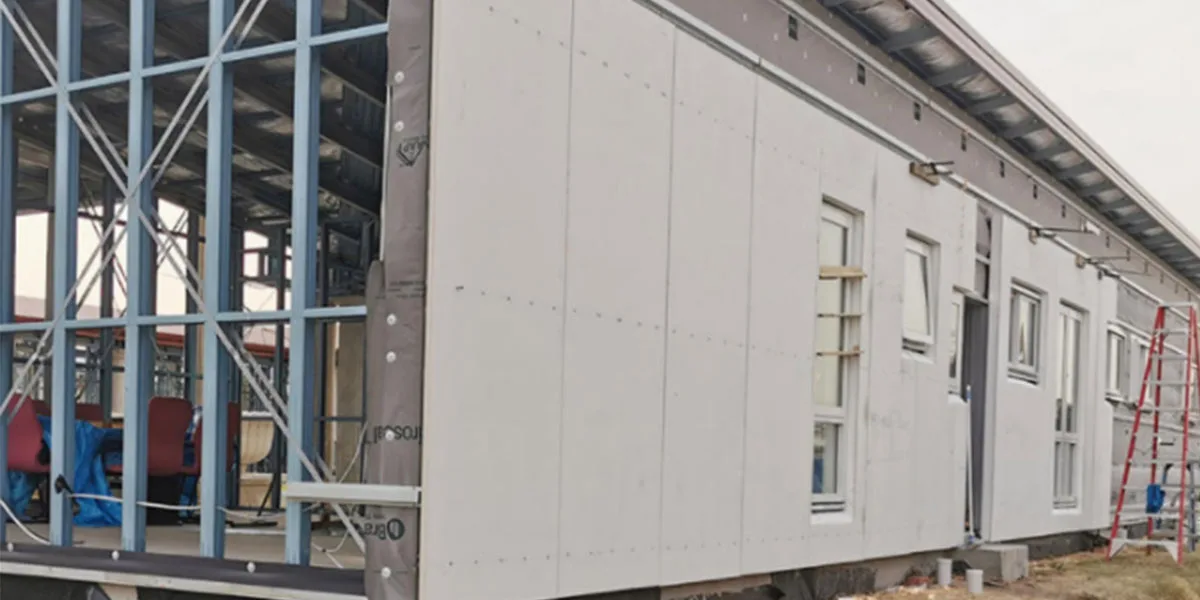

The construction industry is on the cusp of a major transformation, driven by innovative materials and methods. Modular construction, paired with magnesium oxide boards (MgO), is proving to be a game-changer. By combining speed, sustainability, and unrivaled performance, this combination is redefining how we build.
If you’re a builder or architect curious about the benefits and applications of modular construction with MgO, this guide will provide everything you need to know—from its technical advantages to its future potential.
What Is Modular Construction with Magnesium Oxide Boards?
Definition and Benefits of Modular Construction
Modular construction involves creating building components—or “modules”—off-site in a factory-controlled environment, then assembling them at the project site. This method offers numerous benefits over traditional construction, including faster build times, reduced waste, and consistent quality.
Overview of Magnesium Oxide Boards (MgO)
Magnesium oxide boards (MgO) are high-performance, multi-functional building materials made from magnesium oxide. Renowned for their superior strength and eco-friendly profile, MgO boards are quickly gaining popularity in the construction industry.
Advantages of MgO Boards
- High Durability: Resistant to impacts, cracks, and deformation over time.
- Fire and Water Resistance: MgO is non-combustible and impervious to water damage, making it ideal for fire-rated and damp-prone applications.
- Eco-Friendly Materials: 100% recyclable and low carbon emissions during production.
The Role of MgO Boards in Modular Construction
Strengths and Durability
MgO boards excel in structural applications due to their inherent strength and rigidity. They resist warping, bending, and cracking, even when subjected to extreme environmental conditions.
Fire and Water Resistance Properties
Safety is paramount in building projects. MgO boards achieve Class A fire ratings, preventing fire spread and offering critical time for evacuation. Their water-resistant properties guard against mold and mildew, ensuring long-term building health.
Environmental Sustainability
MgO boards are an eco-conscious choice, boasting lower embodied carbon and requiring less energy to produce compared to traditional materials like drywall and cement boards. Additionally, they are recyclable at the end of their lifecycle.
Applications of MgO Boards in Building Projects
Uses Across Industries
- Residential Construction: Used for walls, ceilings, and flooring, MgO boards enhance safety and durability in homes.
- Commercial Buildings: Ideal for office spaces and retail environments, offering a clean finish and long lifespan.
- Industrial Projects: Withstanding heavy use, MgO is commonly applied in factories, warehouses, and other industrial facilities.
Case Studies Highlighting Success
- Eco-Housing Development: A sustainable housing project in Oregon reduced build time by 40% using MgO boards in modular construction.
- Fire-Resistant Schools: An Australian school adopted MgO boards to achieve safer classrooms with reduced fire risk.
- Industrial Logistics Center: A Chicago warehouse replaced traditional cement boards with MgO, improving load-bearing capacity and longevity.
Advantages of Combining Modular Construction with MgO Boards
Faster Construction Time and Reduced Costs
Modular construction drastically reduces project timelines by enabling parallel on-site and off-site work. Adding MgO boards streamlines installation further, cutting labor costs and site downtime.
Enhanced Structural Integrity
With superior tensile and compressive strength, MgO boards enhance the structural performance of modular buildings, ensuring stability and safety for years to come.
Energy Efficiency and Indoor Air Quality
MgO boards offer excellent thermal insulation, lowering heating and cooling costs in buildings. Their resistance to mold and VOC emissions improves indoor air quality, creating healthier living and working environments.
Challenges and Considerations
Cost Analysis and Initial Investment
While MgO boards are often more expensive upfront than traditional materials, their long-term savings in durability, maintenance, and safety easily offset the initial investment.
Regulatory and Code Compliance
Builders must ensure MgO boards comply with local building codes and certifications. Fortunately, many MgO products meet or exceed these requirements.
Maintenance and Long-Term Durability
Although resilient and low-maintenance, MgO boards may require specialized fasteners or coatings to optimize performance in extreme settings. Builders should plan for these costs early in the project.
Future Trends in Modular Construction with MgO Boards
Emerging Technologies
Innovations such as AI-driven design software and robotic assembly techniques are accelerating modular building adoption. These advancements align perfectly with the use of MgO boards, further enhancing precision and efficiency.
Market Growth and Adoption Rates
The global modular construction market is projected to grow significantly, with MgO boards playing a pivotal role due to their unparalleled properties. Increased demand for sustainable and disaster-resistant buildings will fuel this momentum.
Building Smarter, Safer, and Faster with MgO Boards
Combining modular construction with magnesium oxide boards is more than a construction method—it’s a solution to some of the industry’s most pressing challenges. Durable, safe, and eco-friendly, this pairing delivers exceptional results across residential, commercial, and industrial projects.
Builders and architects are poised to lead the charge in adopting this innovative approach. Whether you’re designing a sustainable housing project or a disaster-resistant school, Magnesium oxide boards offer the performance and reliability you need to succeed.
Are you ready to explore the possibilities of modular construction with MgO boards? Reach out to our team today for expert advice, product recommendations, and tailored solutions. Let’s work together to build the future, one module at a time.

Comments are closed.