
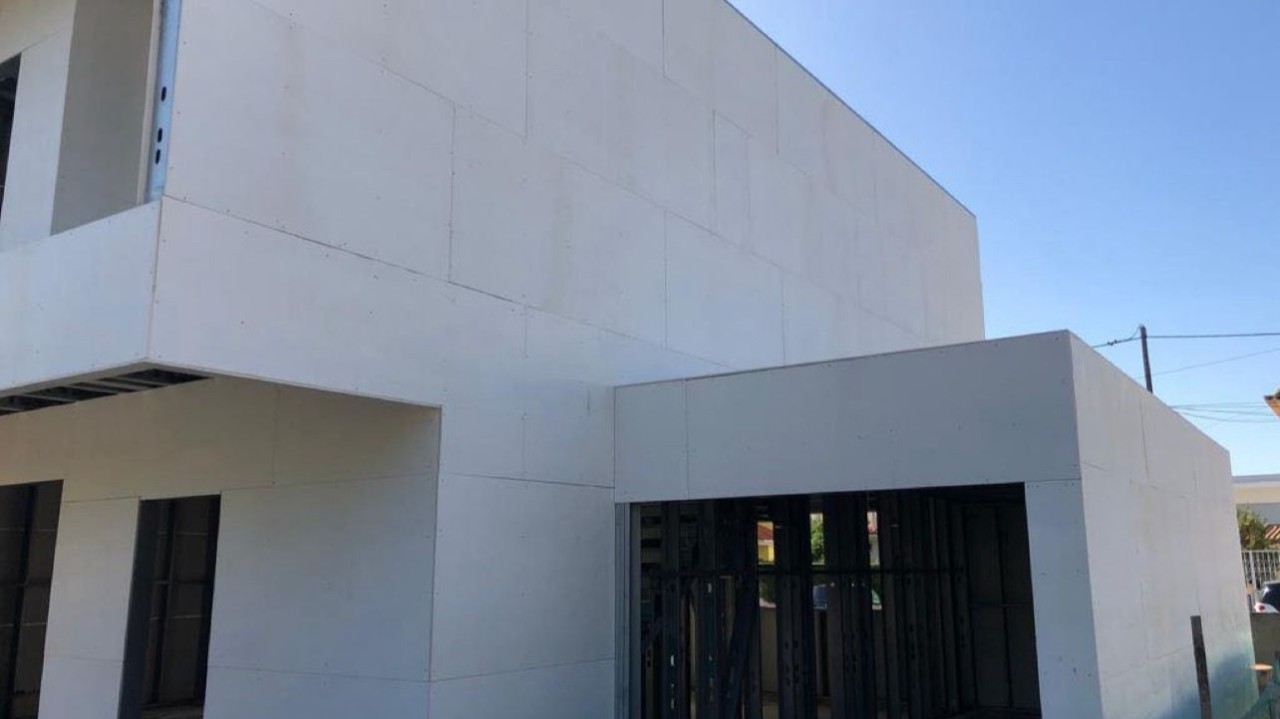

Single-family constructions are evolving as industry standards and expectations change. Today, one material gaining popularity among construction professionals is magnesium oxide (MgO) board. Renowned for its durability, strength, and eco-friendly properties, MgO boards are transforming how we approach residential construction. If you’re a construction professional looking to enhance project efficiency, safety, and longevity, MgO boards should be on your radar.
This guide will walk you through everything you need to know about using magnesium oxide boards in single-family constructions, from understanding their benefits to practical installation tips. By the end, you’ll see why many in the industry now regard MgO boards as a game changer.
What is Magnesium Oxide Board?
Magnesium oxide board, commonly referred to as MgO board, is a high-performance, multi-functional building material. Composed primarily of magnesium oxide, it is manufactured into durable, structural panels used for a variety of applications including walls, floors, ceilings, and roof sheathing.
What sets MgO boards apart from other materials, such as gypsum board or plywood, is their impressive list of properties, including:
- Fire resistance (non-combustible)
- Water and mold resistance
- Impact resistance
- Eco-friendliness
These attributes make MgO boards particularly well-suited for modern single-family homes where adaptability and safety are key priorities.
Why Use MgO Boards in Single-Family Homes?
When it comes to residential construction, magnesium oxide boards provide significant advantages over traditional materials. Below are the three main reasons why MgO boards are becoming a preferred choice for single-family homes:
- Fire Resistance for Enhanced Safety
House fires are a serious concern in single-family homes. The non-combustible nature of MgO boards makes them a standout material in fire-rated construction. They can endure high heat without breaking down, preventing the spread of fire between rooms or from external sources.
For instance, MgO boards typically exceed industry fire rating standards, offering an impressive 2- to 3-hour fire resistance. Installing these boards offers peace of mind to homeowners and adds an additional safety layer to your builds.
Tip: Use MgO boards for interior walls to create safer living areas, particularly around kitchens or garages, where fire risks are heightened.
- Resistance to Mold, Water, and Mildew Damage
Moisture is a recurring challenge in many single-family homes, particularly in climates with high humidity. Unlike gypsum board, MgO boards are naturally resistant to water absorption, preventing swelling, rot, and mold growth.
This property makes MgO board an excellent material for:
- Kitchens
- Bathrooms
- Basements
With MgO boards in place, you safeguard the homeowner from future costly repairs due to moisture damage.
- Sustainability for Environmentally Conscious Construction
Today’s homeowners are increasingly interested in environmentally conscious materials. Thankfully, MgO boards are a green choice. Manufactured with fewer carbon emissions compared to traditional cement boards or drywall, MgO boards contribute to the overall sustainability of your project.
Additionally, these boards are fully recyclable, ensuring minimal waste during construction. Choosing MgO boards lets you align your builds with modern eco-conscious trends and appeal to a wider audience of clients.
6 Steps to Incorporate MgO Boards into Your Build
Step 1: Determine Application Areas
Identify where MgO boards will offer the most value. These boards can be used in several areas such as:
- Interior walls and ceilings: Boost fire- and moisture-resistant performance.
- Exterior sheathing and cladding: Strengthen resistance to harsh weather.
- Flooring substrate: Enhance structural stability while reducing sound transfer.
Step 2: Choose the Right Specifications
Not all MgO boards are the same. Consider the following key specifications to meet your project’s unique requirements:
- Thickness (e.g., 6mm for walls, 12mm for flooring substrate)
- Load-bearing capacity
- Fire rating
For single-family homes, ensure the MgO boards meet standard building codes in your country or state.
Step 3: Plan the Installation Process
MgO boards are lightweight and easy to install compared to traditional cement boards, but the process still requires care for optimal performance:
- Pre-drilling is necessary to avoid cracking when securing boards with screws.
- Use alkaline-resistant screws to ensure durability, especially in wet areas.
- Seal joints with compatible joint compounds for a smooth finish.
Step 4: Integrate with Insulation
To maximize energy efficiency, combine MgO boards with thermal and soundproofing insulation. For example, pairing MgO exterior sheathing with rigid foam boards can provide excellent heat and sound insulation properties.
Step 5: Protect and Finish Surfaces
Although MgO boards are highly durable on their own, finishing them with a suitable topcoat enhances their lifespan. Use primers, paints, or waterproofing finishes as needed for aesthetic and functional purposes.
Pro Tip: For an elegant interior wall finish, apply a smooth skim coat and top it off with high-quality paint.
Step 6: Educate the Homeowner
Once the build is complete, provide detailed care instructions to homeowners. Though MgO boards are virtually maintenance-free, periodic inspections (especially in high-moisture areas) will ensure they last for decades.
Raise awareness among your clients about the advantages of MgO boards so they value the investment in safety, sustainability, and longevity.
Examples in Action
Several single-family projects have already seen incredible results from the use of MgO boards:
- A new build in Florida utilized MgO for hurricane-resistant exterior cladding, reducing repair costs after storms.
- A home in Seattle included MgO boards to tackle moisture issues in the basement, eliminating recurring mold problems.
- An architect in Arizona integrated MgO boards for outdoor kitchens and walls, benefiting from the material’s thermal resistance under harsh sunlight.
These real-world examples demonstrate the versatility and dependability of MgO boards in residential applications.
The Future of Residential Construction
Magnesium oxide boards are redefining what’s possible in single-family constructions. Their unbeatable combination of fire safety, moisture resistance, eco-friendliness, and durability offers construction professionals a material they can truly depend on.
By incorporating MgO boards into your next project, you elevate both the quality and safety of the homes you build while standing out as a forward-thinking professional in the construction industry.
Take your projects to the next level—explore the benefits of MgO boards today. Reach out to your suppliers or contact us to learn how to source premium magnesium oxide panels for your next build.

Comments are closed.