
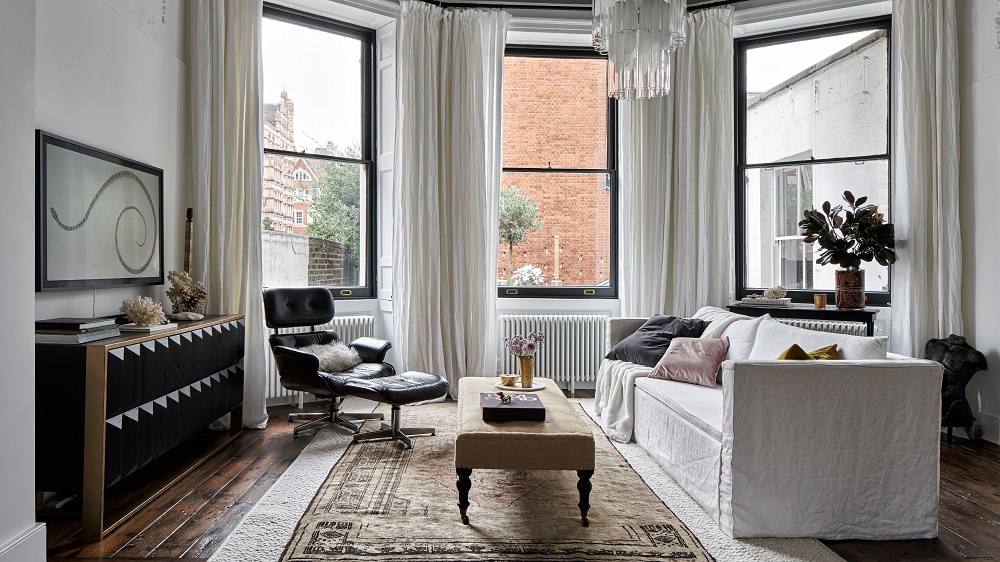

Apartment living offers undeniable advantages: central urban locations, lower property maintenance burdens, and simplified living spaces. Yet, managing life within a multi-family building comes with distinct logistical realities. Limited square footage, restrictive lease agreements that prohibit permanent renovations, shared walls, and awkward floor layouts can easily cause frustration. When space is constrained, clutter accumulates rapidly, unwanted ambient noise seeps through ceilings, and the boundary between relaxation and remote work dissolves.
Transforming a rental apartment into a serene sanctuary that fosters both deep focus and rejuvenating rest requires deliberate spatial strategy. It is not merely about decorating; it is about designing functional systems that optimize airflow, acoustic insulation, storage volume, and psychological flow. With the right collection of spatial hacks and lifestyle routines, you can turn any rental footprint into a functional home that maximizes daily comfort, ruthless organization, and continuous personal productivity.
Reclaiming Vertical and Hidden Square Footage
The primary mistake many apartment dwellers make is thinking solely in terms of floor surface area. When you arrange furniture across a single horizontal plane, precious square footage vanishes within days. To unlock the full functional volume of a compact layout, you must shift your perspective upward and into underutilized crevices.
Vertical organization and concealed storage hacks multiply available space without crowding walkways:
-
Tension-Mounted and Over-Door Storage: Over-the-door hanging racks are not just for shoes; install them inside pantry closets to hold spices, cleaning bottles, and dry food boxes, or mount them inside bathroom cabinets to secure styling tools and toiletries. High-tension corner poles with shelving provide vertical bathroom and laundry organization without requiring drywall anchors.
-
Under-Bed Storage Platforms: The empty space beneath a standard mattress frame represents dozens of cubic feet of prime real estate. Use heavy-duty bed risers to elevate your frame three to six inches higher. Slide low-profile, rolling zippered bins underneath to store out-of-season apparel, extra bedding, and travel luggage out of sight.
-
Ceiling-Height Modular Bookcases: Instead of wide, low credenzas, invest in tall, narrow shelving units that climb toward the ceiling. Anchoring tall shelves safely with removable anti-tip brackets draws the visual eye upward, making ceilings appear taller while utilizing dead vertical airspace.
-
Magnetic and Adhesive Wall Utilities: Mount heavy-duty magnetic strips along kitchen backsplashes to hold culinary knives, metal spice containers, and measuring spoons. Use non-damaging adhesive hooks inside wardrobe doors to hang scarves, belts, and daily outerwear.
Reclaiming these forgotten pockets removes visual clutter from tables and countertops, immediately making the entire apartment feel significantly larger.
Acoustic Dampening and Sensory Comfort
Living in close proximity to neighboring tenants means contending with footstep impacts, plumbing reverberations, hallway chatter, and street traffic. Persistent background noise keeps the sympathetic nervous system quietly elevated, impairing sleep quality and draining mental energy.
Renters cannot tear down walls to install dense fiberglass insulation, but you can manipulate soft surfaces to absorb sound reflections and dampen intrusive noise:
-
Layering Area Rugs with Dense Felt Pads: Hardwood and laminate flooring act as acoustic bounce boards. Lay down thick, high-pile area rugs over high-density felt or rubber rug pads. The felt pad absorbs airborne sound frequencies and dampens the vibrations of your own footsteps, keeping peace with downstairs neighbors.
-
Acoustic and Blackout Window Panels: Thin rental blinds do little to block street noise or morning streetlight glare. Install wrap-around curtain rods fitted with multi-layered, thermal-insulated blackout drapes. The heavy fabric traps exterior street noise while regulating room temperature against drafty window panes.
-
Strategic Bookcase Placement: Position your heaviest, fully loaded bookcases against the shared party wall that separates your living room or bedroom from your neighbor unit. The dense cellulose mass of hundreds of paper books acts as a sound barrier that absorbs mid-frequency vibrations.
-
Draft Blockers on Entryway Doors: A significant amount of corridor noise leaks into apartments through the open gap underneath the front door. Install a heavy, dual-sided draft stopper along the door base to block hallway chatter, light leaks, and corridor cooking odors.
Combining these acoustic layers creates a peaceful buffer, turning a noisy urban unit into a quiet, restorative retreat.
Multi-Functional Furniture Selection
Furnishing an apartment demands strict discipline. Every large furniture item should justify its presence by serving at least two functional purposes. Single-use, bulky furniture anchors down limited living zones, restricting foot traffic and reducing layout versatility.
Prioritize adaptable furniture designs that evolve with your daily needs:
-
Storage Ottomans and Benches: Replace traditional accent tables with deep-storage ottomans. They function as comfortable footrests, provide extra seating when hosting guests, and hide bulky board games, exercise bands, and throw blankets beneath their lids.
-
Drop-Leaf and Extendable Dining Surfaces: A full-size dining table consumes massive space that remains unused for ninety percent of the week. Opt for a drop-leaf console table that hugs the wall as a slender entryway desk during weekdays, expanding into an eight-person banquet table for weekend entertaining.
-
Lift-Top Coffee Tables: A lift-top table raises its horizontal surface upward and forward to create an ergonomic laptop workstation or casual dining tray, revealing a deep storage chamber beneath the tabletop to conceal remotes, office supplies, and charging cords.
-
Nesting Side Tables: Stacking nesting tables provide generous surface area for drinks and snacks during social gatherings, yet nest cleanly into the footprint of a single compact stand when the evening concludes.
Carefully selecting adaptable furniture guarantees that your floor plan remains fluid, open, and capable of handling diverse activities without permanent overcrowding.
Creating Dedicated Zones for Work and Life Separation
One of the greatest psychological challenges of apartment living, particularly for remote professionals, is the erosion of work-life boundaries. When your laptop sits open on the kitchen counter or the living room couch serves as your primary office chair, your brain struggles to switch off. Professional anxiety bleeds directly into your resting hours.
Even within an open-concept studio apartment, you can engineer distinct psychological micro-zones:
-
Visual Zoning with Rugs and Lighting: Define functional rooms without erecting physical walls. Place a distinct runner rug beneath your desk to mark the work boundary, and use cool, bright daylight bulbs for task focus. In the relaxation area, switch to warm, soft floor lamps to signal leisure and winding down.
-
Physical Room Dividers and Plant Curtains: Use freestanding folding screens, open-backed cube shelving, or hanging planters filled with trailing ivy to visually separate your work desk from your bed. If you cannot see your monitors from your pillows, your mind detaches from work tasks far more easily.
-
The Ritual of Packing Away Work: If your living area is too compact to support a separate desk and you must work from a common table, establish an end-of-day shutdown routine. Pack your laptop, keyboard, notebooks, and cables into a dedicated storage box or attractive woven basket and slide it under a credenza. Removing work items from your visual field allows you to reclaim your living space.
Intentional environmental cues instruct your brain when it is time to produce focused work and when it is time to rest, preserving mental energy and emotional wellbeing.
Lighting, Air Quality, and Circadian Optimization
Apartment units frequently feature suboptimal window placements, deep narrow rooms, or exterior walls shaded by adjacent high-rise buildings. Insufficient natural illumination paired with stale indoor air can leave occupants feeling lethargic, moody, and chronically fatigued.
Optimize environmental wellness through sensory interventions:
-
Strategic Mirror Placement: Hang wide, lightweight mirrors directly opposite your primary natural light sources. The reflective surface bounces natural daylight deeper into dark room corners, doubling perceived light levels and creating an illusion of spatial depth.
-
Vertical Air Purification: Apartments suffer from accumulated cooking residues, dust mites, pet dander, and volatile organic compounds off-gassing from building materials. Invest in a true HEPA air purifier with an integrated activated carbon filter to scrub airborne pollutants, ensuring your lungs and brain receive clean, restorative oxygen.
-
Smart Circadian Bulb Programming: Install programmable smart bulbs throughout your lamps. Schedule them to output cool, high-kelvin white light during morning and midday work hours to suppress melatonin and boost alertness, transitioning automatically to soft, warm, low-kelvin amber hues after sundown to prime your body for deep sleep.
-
Hanging Indoor Houseplants: Incorporate low-light, hardy houseplants like pothos, snake plants, and ZZ plants. Placing them on high shelves or in macrame hanging baskets brings soothing natural textures into your space without consuming tabletop surfaces.
Fine-tuning your light and air quality transforms a dim rental into an energizing, uplifting environment that actively sustains daily physical vitality.
The One-In, One-Out Decluttering Discipline
Even the most sophisticated organization systems will eventually fail if incoming consumer goods continually outpace outgoing items. An apartment is a closed container; when you bring new belongings through the front door without removing existing items, clutter inevitably overflows onto surfaces.
Adopt foundational lifestyle systems to maintain long-term order:
-
The Strict Replacement Rule: Whenever a new shirt, kitchen appliance, book, or decor piece enters your home, choose an existing item to sell, donate, or recycle. This practice establishes an equilibrium, preventing gradual spatial creep.
-
The Nightly Ten-Minute Reset: Dedicate ten uninterrupted minutes every evening before going to bed to reset the apartment to baseline. Clear clean dishes from the drying rack, wipe down kitchen counters, return throw pillows to their positions, and toss stray mail into the recycling bin. Waking up to an immaculate, organized living room sets a focused, positive tone for the morning ahead.
-
Digitize Paper Clutter Immediately: Paper mail, utility bills, receipts, and user manuals represent significant tabletop clutter. Scan essential documents onto cloud storage using a mobile phone app, store vital legal paperwork in a slender fireproof pouch, and shred remaining paper waste immediately upon receipt.
Maintaining rigorous spatial discipline ensures that your apartment remains a peaceful sanctuary of productivity and comfort rather than a crowded holding area for neglected possessions.
Frequently Asked Questions
How can I effectively manage cooking odors in a small apartment without an outdoor vented range hood?
Many rental apartments feature recirculating microwave vents that merely blow cooking exhaust back into the room through a thin mesh screen. To neutralize lingering food smells, run a dedicated air purifier with a heavy activated carbon pellet filter inside the kitchen zone while cooking. Open a window slightly at the far end of the apartment to generate cross-ventilation, simmer a small pot of water containing white vinegar and lemon peels on the stove after preparing fragrant meals to neutralize airborne grease molecules, and wipe down backsplash tiles immediately with a citrus-based degreaser.
What is the best method to mount heavy shelves or artwork without damaging rental drywall?
Use self-drilling monkey hooks or dry-wall claw hangers. These thin, curved steel fasteners punch an almost imperceptible pinhole through sheetrock while using the structural tension behind the wall to support up to twenty or thirty pounds without anchors. When you move out, withdrawing the hook leaves a tiny hole that can be filled in seconds with a dab of spackle and smoothed flat, ensuring your security deposit remains completely protected.
How do I keep a small apartment kitchen counter functional when countertop space is extremely limited?
Clear your primary counters by utilizing over-the-sink cutting boards that fit over your sink basin, expanding food preparation area when not running water. Use an over-the-stove cutting board or burner covers to transform unused stovetop real estate into extra staging space. Additionally, mount magnetic spice tins against the side of your refrigerator and install an under-cabinet paper towel holder to keep basic essentials off horizontal food prep surfaces.
Can using visual color schemes make a compact studio apartment feel significantly larger?
Yes, color choices alter spatial perception. Painting or styling walls, large furniture pieces, and primary window drapes in light, neutral, and monochromatic tones, like soft whites, pale grays, or light creams, blurs the hard visual corners of a room, creating an expansive, open feel. Use high-contrast, dark colors sparingly on small accent pieces like throw pillows or small art prints to avoid visually shrinking your living boundaries.
What should I do if my apartment lacks adequate closet space for clothing storage?
If your apartment has insufficient closet capacity, install a sleek, open-concept metal garment rack against an empty bedroom wall to hold daily essentials, pairing it with matching slim velvet hangers to conserve space. Use vacuum-compression storage bags to condense bulky winter coats, heavy knit sweaters, and surplus blankets to a fraction of their natural size, sliding them beneath your bed or onto high wardrobe shelves during warmer seasons.
How can I create privacy in a shared apartment without building permanent physical walls?
Use freestanding, double-sided modular cube storage bookcases as room dividers. These furniture units separate space, create privacy barriers, and offer accessible cubby storage from both sides. Alternatively, install heavy-duty tension shower rods or ceiling tracks fitted with thick fabric curtain panels to create a soft, temporary sliding wall that closes for privacy during resting hours and opens to maximize daytime light.
Why does high indoor humidity make small apartments feel uncomfortable, and how can it be controlled?
Small living spaces accumulate moisture quickly from daily showers, indoor cooking, laundry drying, and natural human breathing. Trapped humidity makes warm air feel sticky, encourages mold growth inside wardrobes, and accelerates stale odors. Combat moisture accumulation by running bathroom exhaust fans for twenty minutes after showering, cooking with tight-fitting pot lids, and running a compact, energy-efficient refrigerant dehumidifier in your main living space to keep indoor relative humidity between thirty-five and fifty percent.

Comments are closed.