

Key Takeaways
For businesses, renting a boom lift is a smart and economical move. This approach not only eases the financial strain of ownership but also sidesteps the hassles of upkeep and depreciation.
When organizations opt to rent, they also eliminate maintenance burdens, gaining access to reliably maintained equipment, which translates into time savings and reduced risks tied to potential equipment failures.
The ideal boom lift can significantly boost productivity by aligning with specific job site requirements, offering various models for tasks like maximum reach or maneuvering in tight spaces.
Beyond construction, boom lifts cater to numerous needs, such as maintenance and film production, enhancing workflow and safety in various sectors.
Today’s boom lifts come equipped with advanced safety features such as tilt sensors and automatic brakes, effectively lowering accident risks while instilling confidence in employees.
Training and certification programs from rental companies enhance the knowledge of how to use equipment correctly, boosting safety protocols and helping to cultivate a skilled workforce that manages risks adeptly.
Fast access to boom lifts streamlines project schedules, elevating team efficiency and enabling professionals to collaborate effectively on high-reaching tasks with ease.
Why Rent a Boom Lift? Opening up Cost-Effective Solutions
The Financial Edge: Maximizing Budget Efficiency
Within the dynamic landscape of construction, maximizing financial resources is crucial. Renting boom lifts isn’t merely a temporary measure; it’s a shrewd financial tactic. High upfront costs, ongoing maintenance, and depreciation values come with ownership. By renting, companies can shift this financial weight, reallocating funds to other essential projects while safeguarding capital for critical expenses. This flexibility is particularly vital for those businesses that thrive on adaptable budgets.
Consider the ownership costs of a boom lift. Maintenance services, storage fees, and insurance can quickly add up. By opting to rent, businesses only pay for what they use and when they need it. Experts often advocate for this model, especially when projects frequently change in equipment requirements. In such scenarios, the ability to remain flexible is paramount. Firms can opt for the right machine without the headaches typically associated with ownership.
- Pay only for what’s needed: Avoid unexpected costs.
- Access to various equipment: Tailor to project specifications.
- Reduced long-term commitment: Concentrate on immediate tasks.
Reduced Maintenance Woes: Dependable Equipment Without Ownership Hassles
Having a boom lift can feel like an additional job on its own. Managing maintenance schedules and ensuring equipment reliability adds significant stress. By choosing to rent a boom lift, organizations can offload these responsibilities. Rental companies keep their equipment in optimal condition through regular maintenance.
Think about the valuable time saved by not having to handle repairs or service appointments. Professionals know that equipment downtime can be costly. A well-maintained rental lift minimizes the chances of failure during crucial project phases. The assurance of having a reliable unit available underscores the numerous benefits that renting brings.
- Less hassle: Forget about maintenance worries.
- Reliable performance: Machines are routinely inspected and serviced.
- Prompt replacements: Quick substitutions if a machine fails.
Versatility in Action: Tailoring Equipment to Specific Projects
Choosing the Right Height and Reach for Varied Job Sites
Each job site comes with its own set of challenges. When businesses promote their boom lift rental options, it’s essential to consider that specific heights and reaches are key. Projects vary significantly; some may demand heights beyond the norm, while others require compact solutions for tight spaces. Selecting the appropriate equipment ensures efficiency.
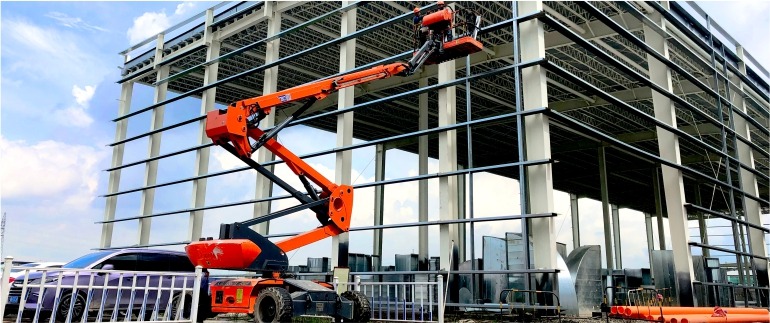
Professionals recognize the wide-ranging options for boom lifts, each designed for specific working conditions. Whether it involves a straight boom lift for maximal reach or articulated booms for navigating obstacles, utilizing the correct tool can significantly enhance productivity. Furthermore, many rental companies offer consultations to help clients select the ideal model for their unique situations.
- Understand articulating vs. telescopic: Know which one meets your needs.
- Clear height specifications: Ensure your equipment is up to the task.
- Expert advice from rental professionals: Benefit from their knowledge.
From Construction to Cleaning: Diverse Applications for Boom Lifts
Boom lifts extend beyond simply being construction tools; they serve a range of purposes across various industries. This versatility renders them invaluable. Organizations frequently experience greater efficiency when deploying this equipment for tasks like window cleaning on tall buildings or maintenance work on rooftops.
Key sectors that capitalize on boom lift rentals include:
- Construction: For installing or repairing various structures.
- Maintenance: Conducting essential checks in hard-to-reach locations.
- Film production: Safely setting up lighting and rigging.
The use of boom lifts can dramatically streamline workflows in these settings, saving time while enhancing safety. One fundamental truth remains: having the right equipment profoundly influences outcomes.
Safety First: Boosting Workplace Safety Standards
Raising Safety Protocols with Modern Boom Lift Technology
In the realm of elevated work, safety must be a non-negotiable priority. Today’s boom lift technology integrates numerous safety features aimed at reducing risks. Enhancements such as tilt sensors, automatic brakes, and platform guardrails are commonplace. As industry experts stress, prioritizing safety cultivates higher workforce confidence and drastically reduces accidents. This focus on safety should resonate across all business sectors.
Education for renters remains crucial. Familiarizing team members with the basic operation of boom lifts ensures they can perform their tasks with confidence. Investing in equipment that emphasizes user safety pays dividends. Organizations that build a robust culture around safety often see fewer incidents, fostering an environment primed for productivity.
- Advanced safety features: Elevate on-site standards.
- Consistent training: Ensure every worker knows how to operate the boom lift.
- Emergency response plans: Establish clear protocols for unforeseen circumstances.
Training and Certification: Ensuring Compliance at Every Level
Compliance is essential. Training guarantees that operators use equipment safely and effectively. Numerous rental companies offer training programs designed to introduce workers to boom lift operations. Such initiatives not only promote operational efficiency but also strengthen safety measures overall. Skilled operators can respond quickly when issues arise.
Key aspects to consider include:
- Certification courses: Ensure all operators meet local regulatory requirements.
- Hands-on training: Practical experience provides immense value.
- Updates on new technology: Stay current with improvements in safety protocols.
Training builds a workforce that comprehends risks and addresses them proactively. This isn’t merely a legal mandate; it represents the best form of protection for renters.
Streamlined Operations: Enhancing Workflow and Productivity
Quick Setup and Accessibility: Getting to Work Faster
In a field where time equates to money, swift access to necessary equipment is paramount. Designed for rapid deployment, boom lifts can make a significant difference for any organization. Gone are the days of waiting for days for equipment to arrive. Many rental services promise immediate availability and quick delivery. Such efficiency enables teams to initiate tasks sooner, which can be crucial for high-pressure projects.
A well-coordinated deployment schedule for equipment ensures maximum efficiency. Delays often lead to project overruns and increased costs. Streamlined processes from rental companies are frequently paired with expert logistical guidance that can enhance timelines right away.
- Ready-to-work solutions: Start tasks without delay.
- Flexible scheduling: Adjust to project demands.
- Delivery choices: Select options that fit timelines best.
Supporting Team Efficiency: How Boom Lifts Improve Collaboration
At the end of the day, a properly equipped team can achieve impressive efficiency levels. Easy access to boom lifts allows teams to complete projects at an accelerated pace. Collaboration thrives under these circumstances. Crew members can work hand in hand on elevated platforms without the usual worries regarding safety and accessibility. This newfound ease ensures that once-daunting high-reaching tasks are handled swiftly.
Industry professionals highlight that improved teamwork is directly linked to project success. By maximizing the use of boom lifts, businesses are often positioned not just to meet deadlines, but to surpass expectations.
- Enhanced communication: Teams collaborate seamlessly.
- Coordinated efforts: Save time while boosting productivity.
- Role flexibility: Workers shift efficiently to meet various task demands.
“When operations are streamlined, the benefits become exponential. Team collaboration shifts from mere necessity to a finely-tuned dance.” – Industry Expert
Analyzing the reasons for renting rather than buying can yield tremendous operational advantages. Renting a boom lift is more than just acquiring equipment; it embodies a strategic business choice where facets such as safety, financial management, and efficiency all align harmoniously.
FAQ
What criteria should businesses consider when selecting a boom lift model?
Choosing the right boom lift model involves several considerations. Evaluate specific height requirements, the layout of the job site, and the planned usage — be it for construction, maintenance, or other applications. Ultimately, consulting with rental professionals aids in pinpointing the most suitable model for unique project needs.
Are there specific regulations for operating boom lifts in different industries?
Absolutely, regulations vary based on industry and locale, often involving essential operator certification and safety standards. Companies must comply with local health and safety guidelines to mitigate risks and maintain workplace safety. Staying updated with current regulations ensures businesses avoid costly penalties while enhancing operational integrity.
How frequently should boom lifts be serviced during long-term rentals?
The servicing frequency relies largely on the intensity of use and the terms of the rental agreement. Generally, regular inspections and maintenance checks should occur at intervals to maintain optimal safety and performance. Rental companies typically provide clients with maintenance schedules that need to be adhered to for keeping equipment in prime condition.
What are the costs associated with renting a boom lift compared to ownership?
Costs differ based on rental duration, model type, and location. Renting generally alleviates hefty initial costs, insurance fees, and maintenance expenses tied to ownership. Often, businesses find that renting is much more economical, especially for short-term projects or variable workload fluctuations.
How do training programs differ across rental companies?
Training programs can vary widely, from fundamental operating instructions to comprehensive safety certifications. Different rental companies provide a range of training levels based on equipment type and user experience. It’s advisable for organizations to assess training options carefully to ensure that their staff receives adequate preparation.
Can boom lifts be used in adverse weather conditions?
Most boom lifts are engineered for outdoor applications, but extreme weather conditions—such as high winds or heavy rainfall—can pose significant hazards. Manufacturers supply operating guidelines regarding safe temperatures and conditions. Organizations should stay attuned to weather forecasts and consult the usage recommendations to guarantee safety during operation.
What additional equipment may be needed when using a boom lift?
Using a boom lift often necessitates supplementary safety gear, including helmets, harnesses, and fall protection systems. Depending on the specific project, extra tools for certain tasks may also be required. Ensuring that the right equipment is on hand enhances both safety and operational efficiency.
How does renting support sustainability efforts in construction?
Renting promotes sustainability by diminishing the reliance on heavy manufacturing associated with owned machinery. By maintaining a smaller operational fleet, waste is minimized and emissions reduced. Selecting rental options allows companies to adopt more eco-friendly practices while still gaining access to high-quality machinery for their projects.
Useful Resources
- Occupational Safety and Health Administration (OSHA)– Offers guidelines and regulations for workplace safety and best practices.
- National Commission for the Certification of Crane Operators (NCCCO)– Provides certification programs and resources for lifting equipment operators.
- Ansys– A leading provider of engineering simulation software that enhances understanding of equipment technology.
- Associated Builders and Contractors (ABC)– Supplies educational resources and training for construction professionals.
- American Rental Association (ARA)– Offers industry insights and resources on equipment rental practices.
- Construction Institute– Provides educational programs and resources for construction industry professionals.
- Levelset– Delivers materials on compliance and payments in construction, vital for managing project budgets.
- JLG Industries– A manufacturer supplying resources and guidance on boom lift operation and safety.
- Equipment World– A publication that shares industry news, trends, and advice regarding equipment use in construction.

Comments are closed.