
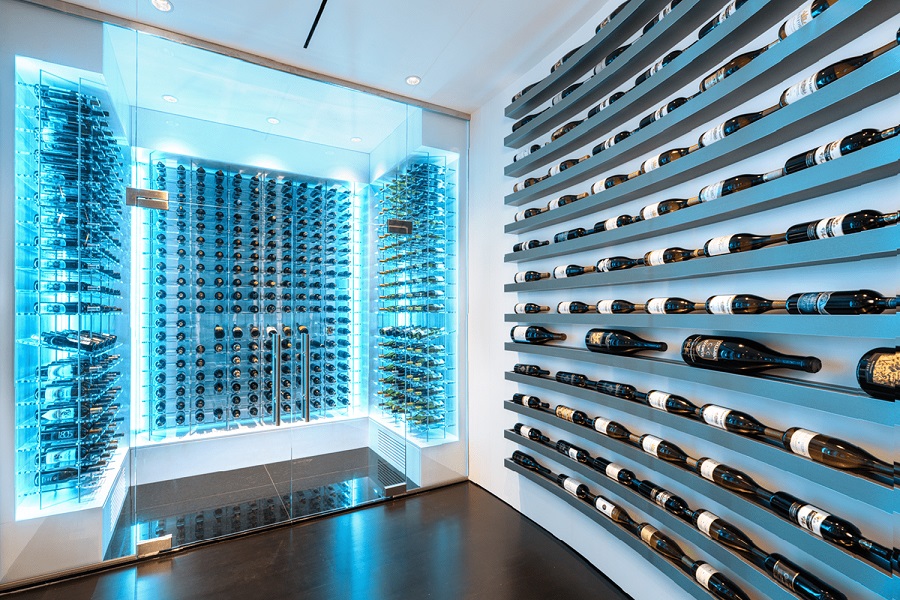

Wine collecting has evolved from a hidden hobby tucked away in dark basement corners to a central pillar of modern architectural expression. Today, a custom wine cellar is more than just a storage solution; it is a sophisticated marriage of climate science and interior design. As homeowners increasingly prioritize entertaining and personal curation, the aesthetic of the wine cellar has shifted to reflect contemporary tastes. From minimalist glass enclosures to high-tech inventory systems, the latest trends in wine storage emphasize transparency, texture, and the seamless integration of the collection into the primary living spaces of the home. If you’re looking to elevate your home’s value and properly preserve your vintage collection, it might be time to build a custom wine cellar in Colorado tailored to your specific storage needs.
Minimalist Metal Racking and Label-Forward Display
As the rustic, “old-world” aesthetic of heavy oak racking fades, it is being replaced by minimalist metal systems. Sleek pegs made of brushed aluminum, matte black steel, or even acrylic provide a lighter, more floating appearance for the bottles. These systems are often designed for label-forward storage, which allows collectors to see their wine at a glance without having to pull bottles out to read the tags. This is a significant departure from traditional cork-forward racking and emphasizes the graphic beauty of modern wine labels.
Metal racking also offers incredible flexibility in design. Because the pegs can be mounted directly into stone, wood, or even back-lit acrylic panels, the cellar can take on a variety of textures. Some modern designs utilize cable systems where bottles appear to be suspended in mid-air on tensioned wires. This industrial-chic look complements the clean lines of modern architecture and allows for maximum airflow around the bottles, which is essential for consistent temperature distribution within the cooling zone.
Integrated Social Spaces and Tasting Lounges
Modern wine cellars are no longer designed solely for storage; they are being reimagined as experiential destinations. Many homeowners are incorporating tasting lounges directly into or adjacent to the cellar. These spaces often feature custom cabinetry for glassware, integrated decanting stations, and ambient lighting that sets a relaxed, lounge-like mood. By adding seating and a dedicated serving area, the cellar becomes a social hub where guests can sample a flight of wine in the same environment where it is preserved.
This trend focuses on the hospitality aspect of collecting. Designers are using rich materials like reclaimed walnut, marble countertops, and velvet upholstery to create a sense of luxury. In these social cellars, lighting plays a crucial role. Programmable LED systems allow owners to change the atmosphere of the room, shifting from bright, functional light for inventory management to low, warm amber tones for an evening tasting session. This versatility ensures that the cellar is used and enjoyed daily rather than being a static storage room.
Intelligent Climate Control and Inventory Technology
Behind the beautiful aesthetics of a modern cellar lies a sophisticated layer of technology. The latest climate control systems are quieter, more energy-efficient, and more discreet than ever before. Many systems are now “split” units, where the noisy condenser is located outside the home, leaving only a sleek, quiet evaporator inside the cellar. These units are often hidden behind decorative panels or integrated into the racking itself, ensuring that the visual flow of the design is not interrupted by bulky machinery.
Furthermore, smart home integration has become a standard requirement for custom builds. Collectors can now monitor their cellar’s temperature and humidity levels in real-time from their smartphones. High-tech inventory systems using RFID tags or barcode scanners are also being built directly into the cellar’s cabinetry. These systems can enable owners to monitor when their bottles are maturing, alert them when a wine is at its optimal drinking time and even propose food pairings when they have a variety of wines on hand. This fusion of data and design brings a level of precision to the hobby that was previously reserved for professional sommeliers.
Conclusion
The evolution of wine cellar design reflects a broader shift in how we value our homes and our hobbies. By moving the collection out of the shadows and into the light, modern homeowners are celebrating the craftsmanship of winemaking and the joy of sharing it with others. Whether through the transparency of glass walls, the clean lines of metal racking, or the comfort of an integrated tasting lounge, the contemporary wine cellar is a testament to the idea that functional storage can also be a breathtaking architectural feature. As technology continues to advance and design boundaries are pushed, the custom wine cellar will remain an essential element for those who view wine not just as a drink, but as a lifestyle.

Comments are closed.